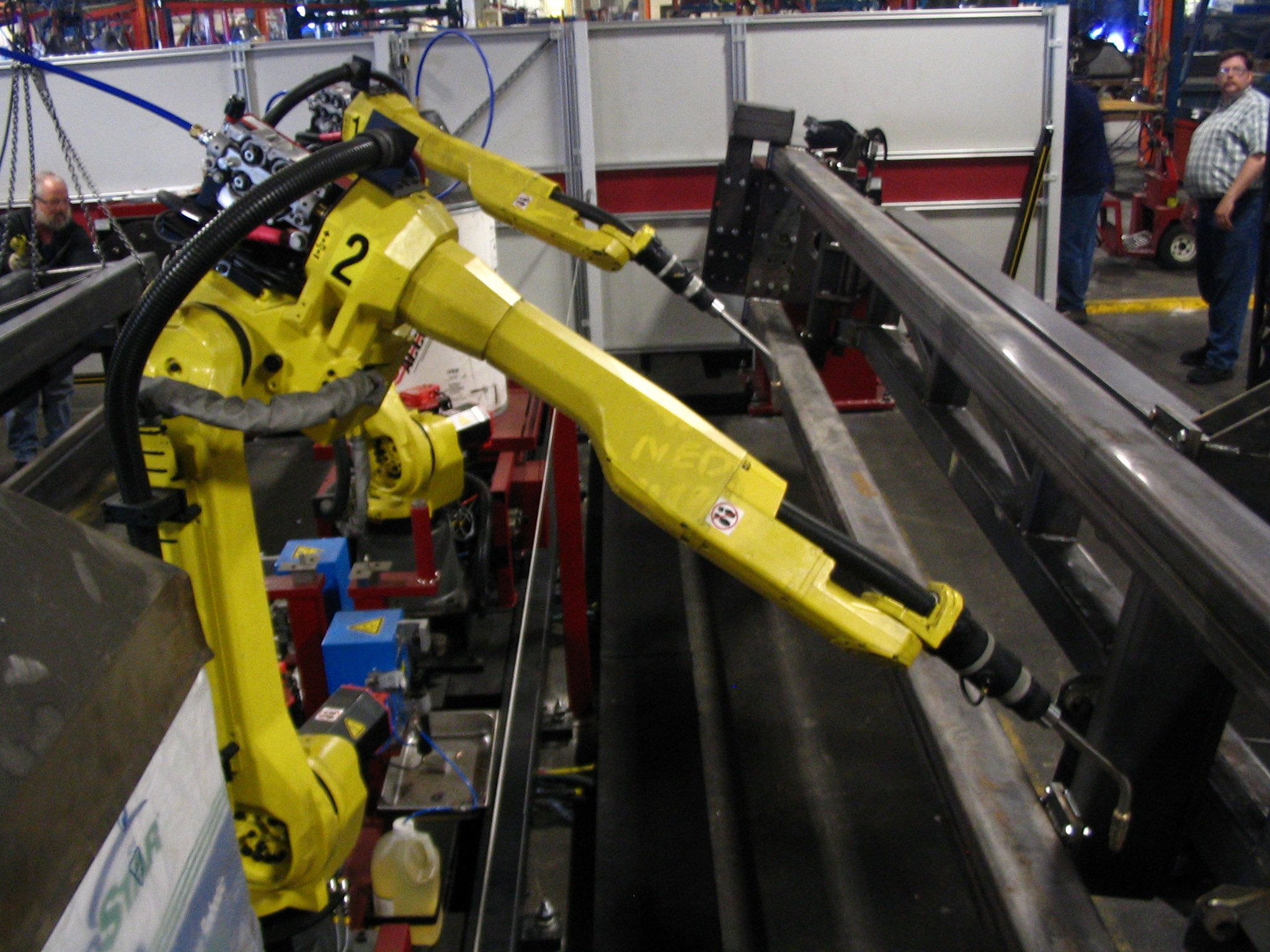
Fotoğraf: Phasmatisnox, Wikimedia Commons (CC BY 3.0)
Where Robotics and AI Meet
From perception to decision-making, what's going on behind the scenes of intelligent robots that move through the physical world?
Nova AI News Editor
August 8, 2026 · 2 min read
Perception: How a Robot Sees the World
Before a robot can behave intelligently, it has to perceive its surroundings accurately. Raw data from cameras, LiDAR sensors, and touch sensors is processed by AI models and turned into meaningful information — "there's an obstacle ahead" or "this object is fragile." This perception layer is one of the most critical and most difficult components of robotic AI.
Decision-Making and Planning
Based on what it perceives, the robot then has to plan a series of actions to reach its goal. Modern robotic systems combine reinforcement learning with planning algorithms to produce decisions that can adapt to changing conditions on the fly. A robot working in a warehouse, for example, can recalculate its route in real time when an unexpected obstacle appears in front of it.
The Difficulty of Going from Simulation to the Real World
One of the biggest challenges in robotic AI is the gap known as the sim-to-real gap: a model working perfectly in a simulated environment doesn't mean it will perform the same way in the real world. Unpredictable physical factors like lighting conditions, friction, and sensor noise can make a model behave unexpectedly once it's out in the world. Researchers are building increasingly realistic simulation environments and hybrid training methods to close that gap.
Application Areas Are Widening
- Manufacturing: Robots work alongside human workers on precise, repetitive tasks on assembly lines.
- Healthcare: Surgical robots assist in operations with AI-supported precision.
- Home robots: Consumer robots are becoming steadily more capable at everyday tasks like cleaning and household assistance.
Conclusion
Combining robotics and AI means managing a complex balance between perception, decision-making, and interaction with the physical world. Challenges like the sim-to-real gap remain, but the field keeps advancing rapidly in both industrial and everyday settings.
Related Articles
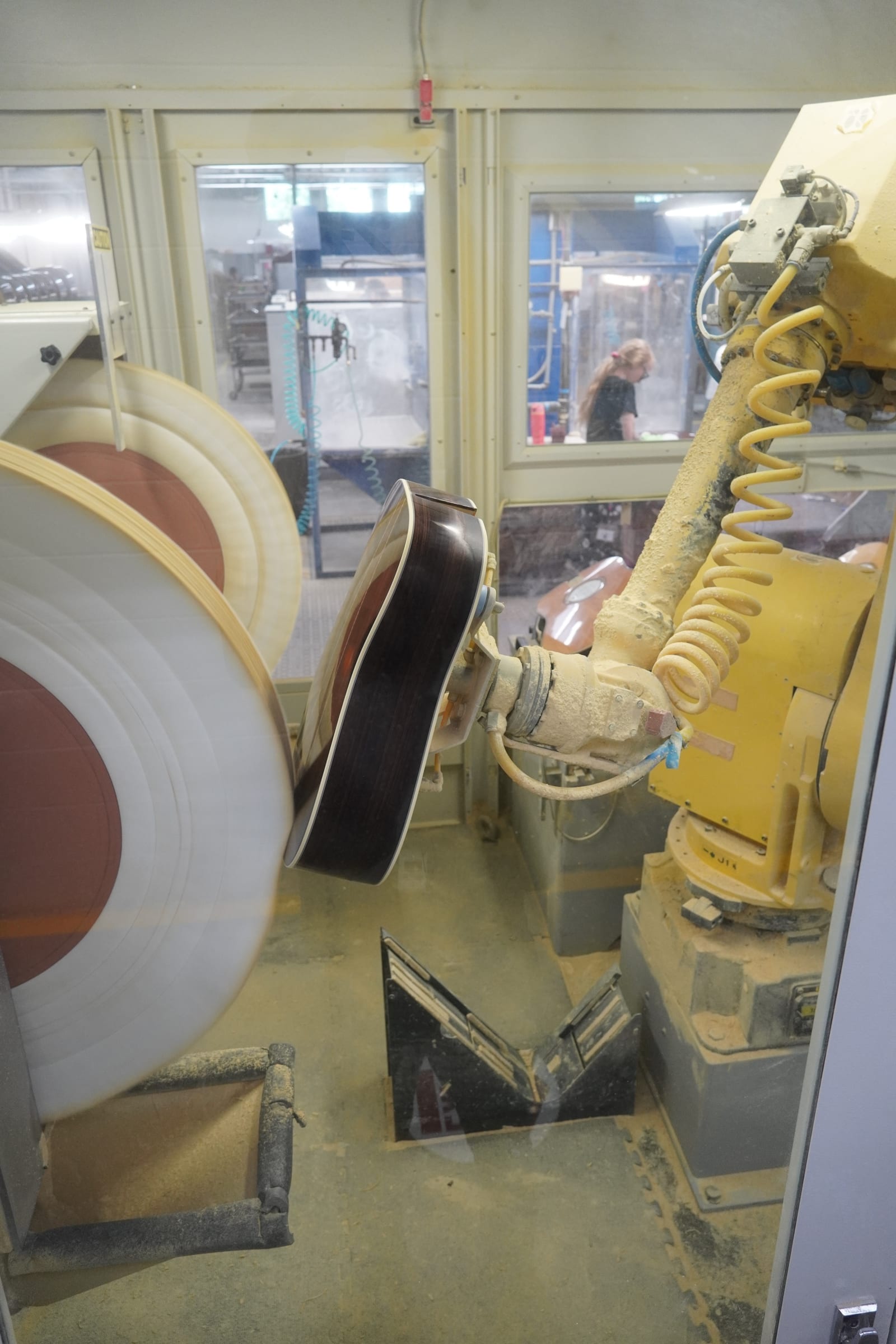
AI in Manufacturing: Warning You Before the Breakdown
How does predictive maintenance prevent downtime using vibration and temperature data? With concrete examples from factory floors.
Read more→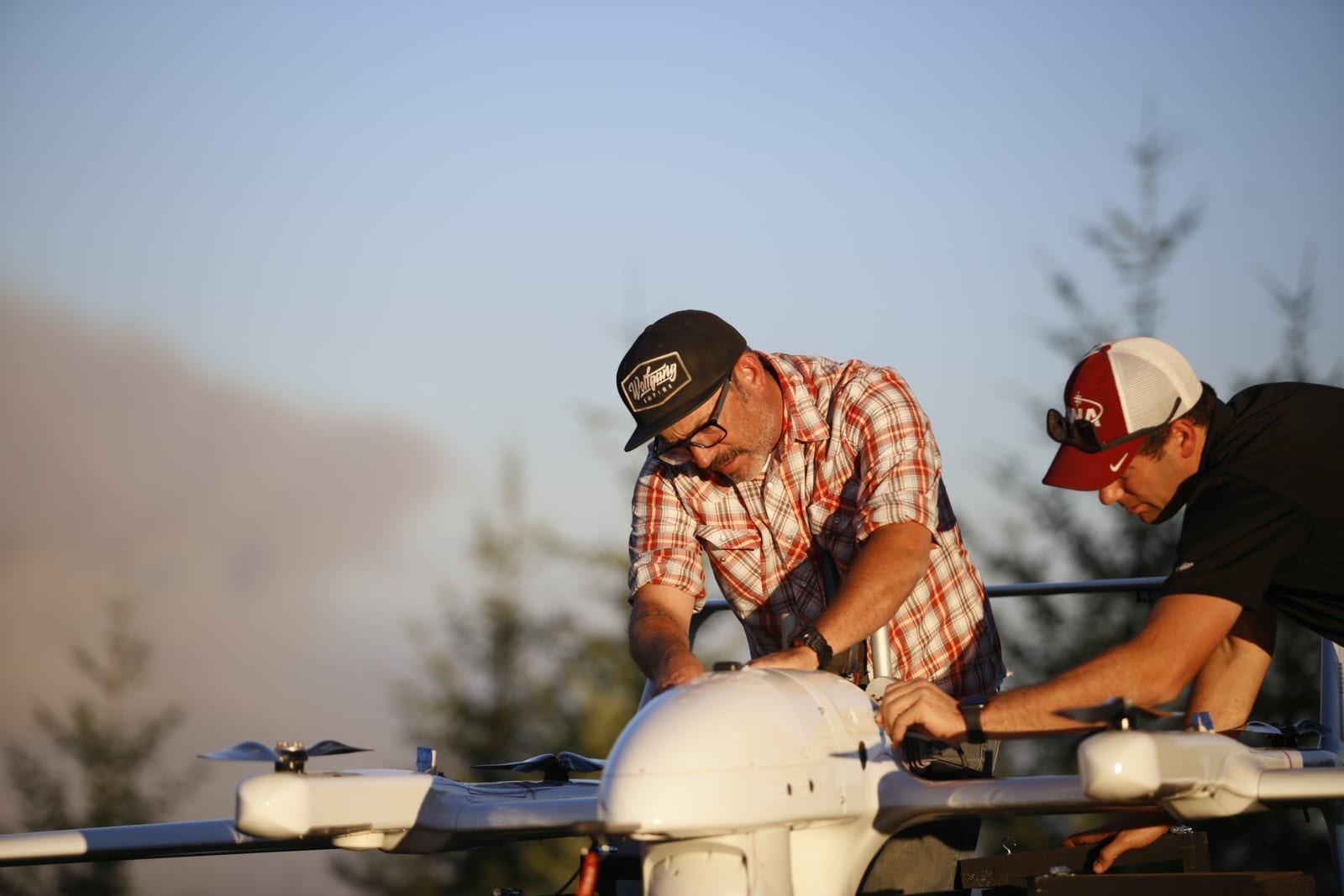
Autonomous Drones: What Is AI Doing Up There?
From agriculture to disaster response, how does the decision-making ability of unmanned aircraft work — and where do its limits begin?
Read more→
AI Regulation: What Does It Mean for Companies?
From risk-based classification to transparency obligations, the concrete responsibilities the new rules place on businesses.
Read more→Comments
No comments yet — be the first to comment.