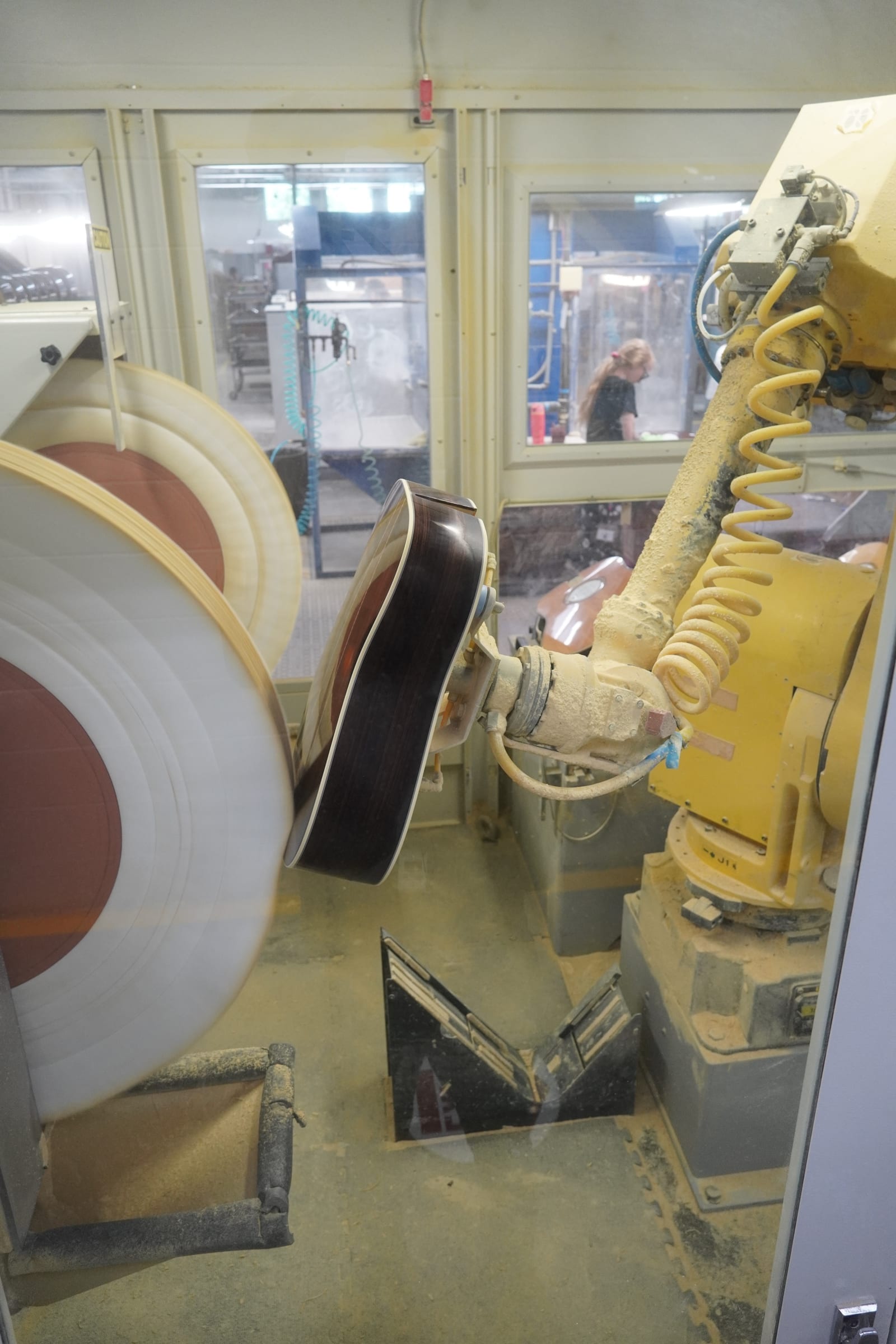
Fotoğraf: Henrysz, Wikimedia Commons (CC BY 4.0)
AI in Manufacturing: Warning You Before the Breakdown
How does predictive maintenance prevent downtime using vibration and temperature data? With concrete examples from factory floors.
Nova AI News Editor
August 24, 2026 · 1 min read
The Real Cost of Unplanned Downtime
An unexpected stoppage on a production line isn't just a repair bill; it's wasted labor, late deliveries, and broken planning. That's why factories have been doing scheduled maintenance for years. But scheduled maintenance has two problems: you're still replacing parts that are perfectly fine, or you miss the failure anyway.
How Does Predictive Maintenance Work?
Vibration, temperature, current, and acoustic sensors mounted on machines produce data continuously. Models learn the signature of normal operation in that data and flag deviations at an early stage. A bearing starting to fail usually shows up in the vibration spectrum days in advance; the model can catch a change the human ear never would.
Image Processing in Quality Control
The second common use is visual inspection on the line. Cameras scan products within seconds, and the model flags surface scratches, missing parts, and assembly errors. The critical point here is that examples of defective products are scarce, so models are usually trained on a "deviation from normal" logic.
Obstacles You Run Into in Practice
The most common problem isn't data — it's how scattered the data is. Machines of different ages, different protocols, and past failures that were never logged slow down most projects. What the successful examples have in common is picking a single line as a pilot and fixing the data infrastructure first.
Conclusion
The most mature use of AI in manufacturing isn't flashy robots but early warning systems running quietly in the background. It's also the area where the return is measured most clearly.
Related Articles
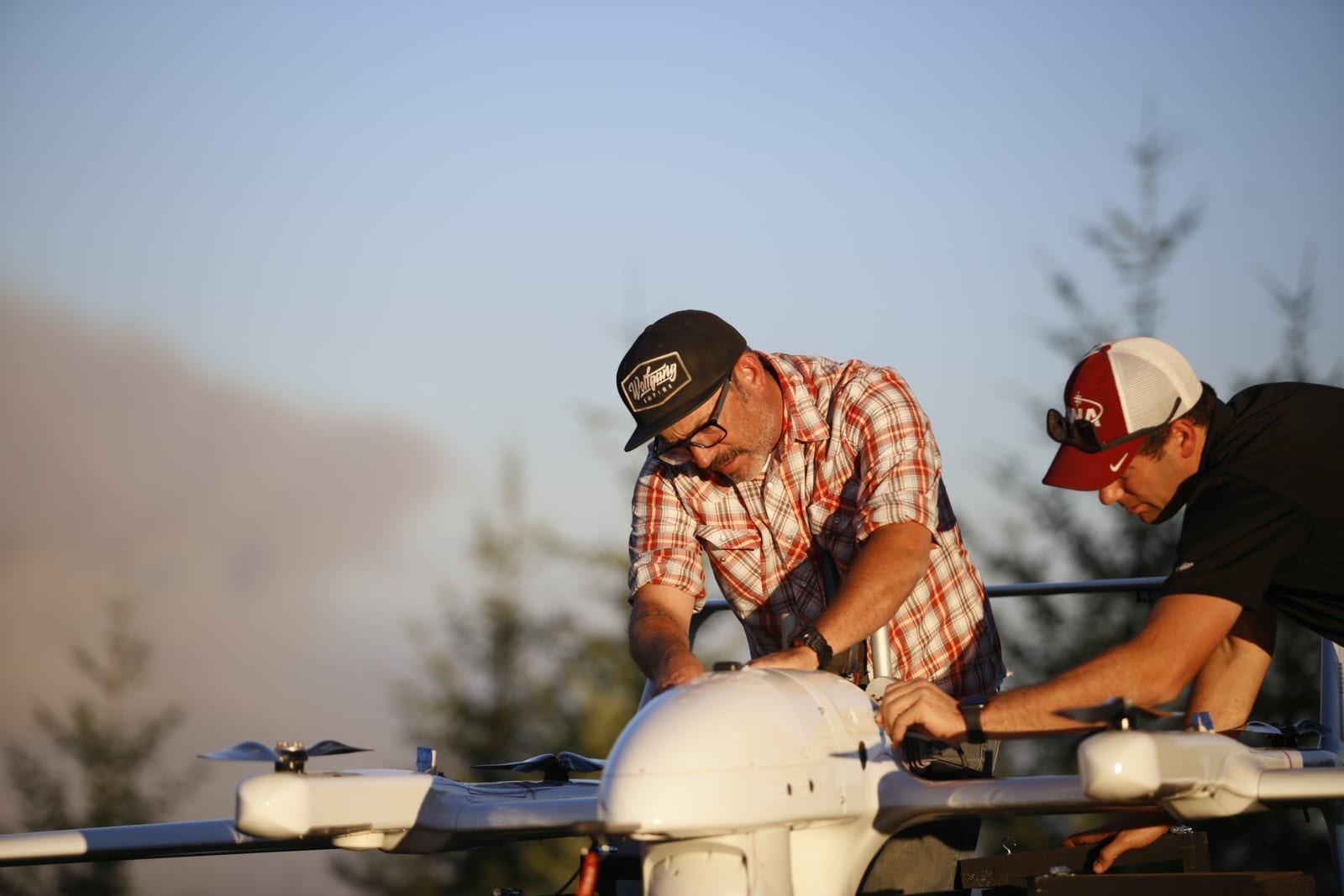
Autonomous Drones: What Is AI Doing Up There?
From agriculture to disaster response, how does the decision-making ability of unmanned aircraft work — and where do its limits begin?
Read more→
AI Regulation: What Does It Mean for Companies?
From risk-based classification to transparency obligations, the concrete responsibilities the new rules place on businesses.
Read more→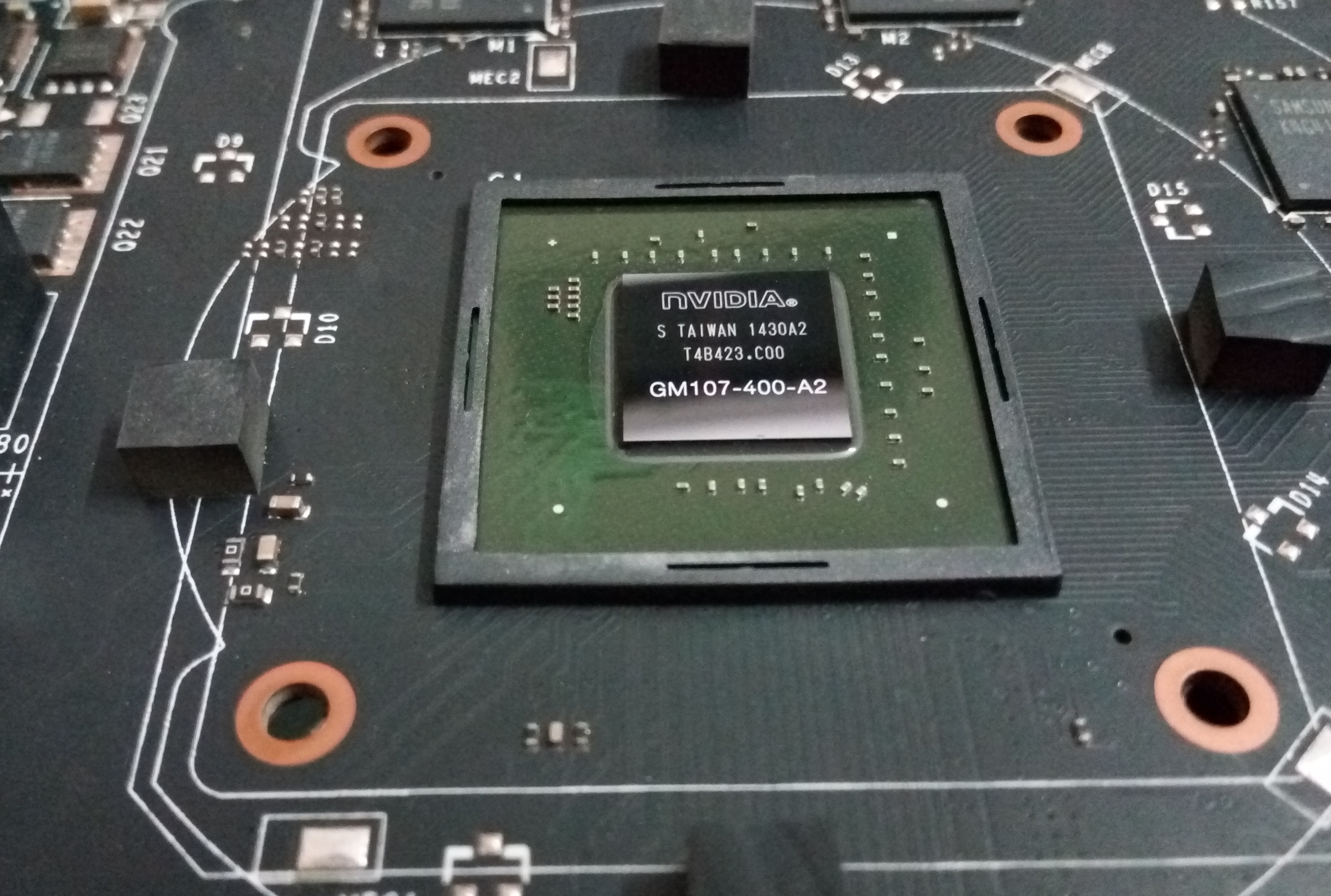
The AI Hardware of the Future
From specialized AI chips to edge hardware, how is the next generation of hardware making models faster and more efficient?
Read more→Comments
No comments yet — be the first to comment.