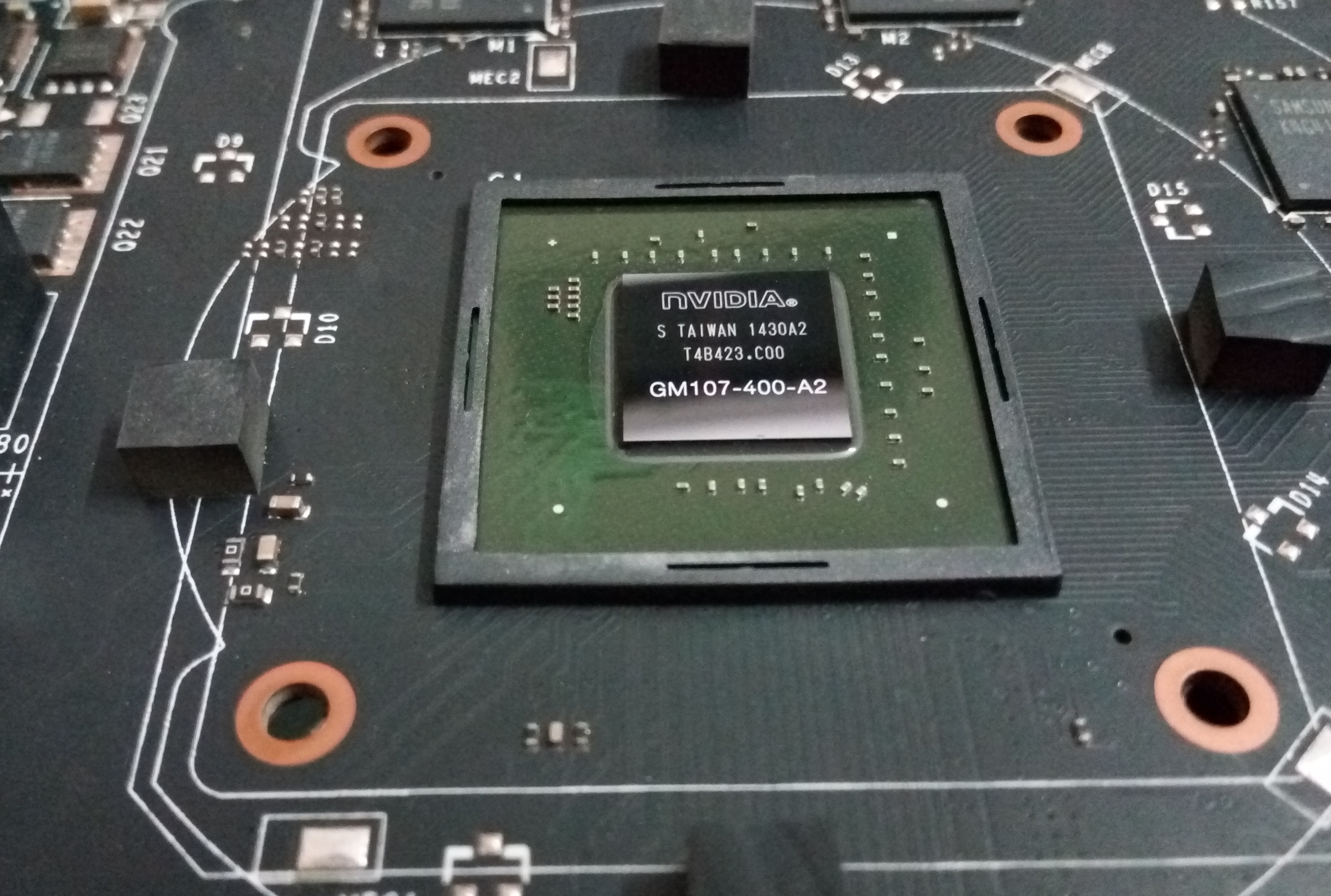
Fotoğraf: Kavish555in, Wikimedia Commons (CC BY-SA 4.0)
The AI Hardware of the Future
From specialized AI chips to edge hardware, how is the next generation of hardware making models faster and more efficient?
Nova AI News Editor
August 13, 2026 · 1 min read
From General-Purpose Processors to Specialized Chips
AI models demand far more intensive parallel computation than traditional general-purpose processors (CPUs) can handle efficiently. That need triggered the rise of chips designed specifically for AI workloads: GPUs (graphics processing units), NPUs (neural processing units), and TPUs (tensor processing units). This hardware carries out the operations at the heart of deep learning, like matrix multiplication, far more efficiently.
AI Hardware at the Edge
Alongside the enormous models running in large data centers, low-power AI chips that run directly on small hardware — phones, cameras, wearables — are developing quickly. This edge AI hardware offers advantages like working without an internet connection, low latency, and better privacy.
Energy Efficiency Is a Critical Goal
Training and running AI models consumes serious amounts of energy, which is a significant problem for both cost and environmental sustainability. Chip makers are investing heavily in architectures that deliver the same computing power using far less energy. Progress here will be what lets AI reach wider audiences and more devices.
The Memory Bottleneck
As models grow, the speed of data transfer between processor and memory becomes a serious bottleneck. High bandwidth memory (HBM) technologies and memory architectures that sit closer to the processor are among the solutions being developed to ease it. This is a critical performance factor, particularly for running very large models in real time.
Conclusion
Advances in the hardware that runs AI software shape the industry's future just as much as advances in the software itself. Innovations in specialized chips, edge hardware, and energy efficiency will keep making AI faster, more accessible, and more sustainable.
Related Articles
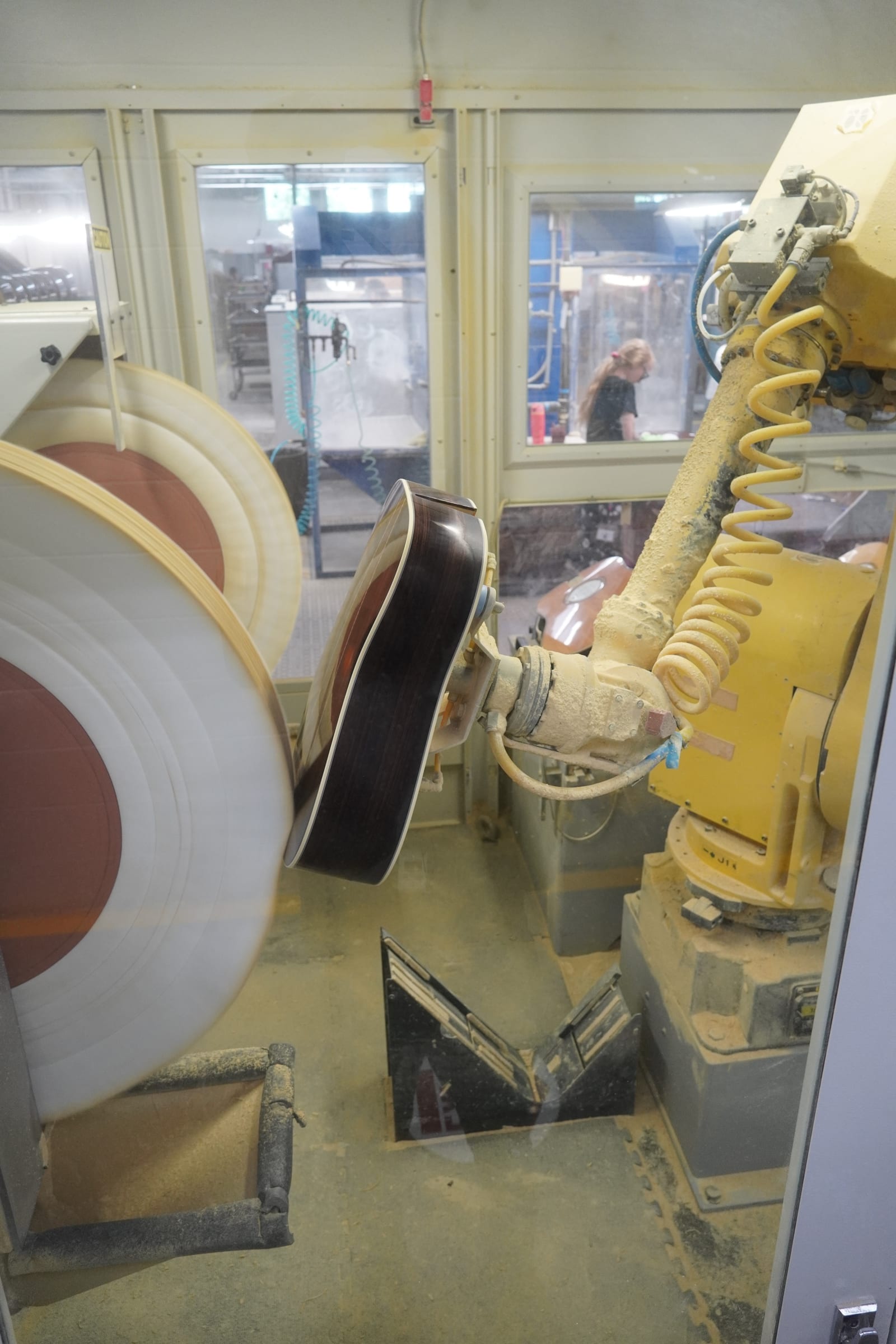
AI in Manufacturing: Warning You Before the Breakdown
How does predictive maintenance prevent downtime using vibration and temperature data? With concrete examples from factory floors.
Read more→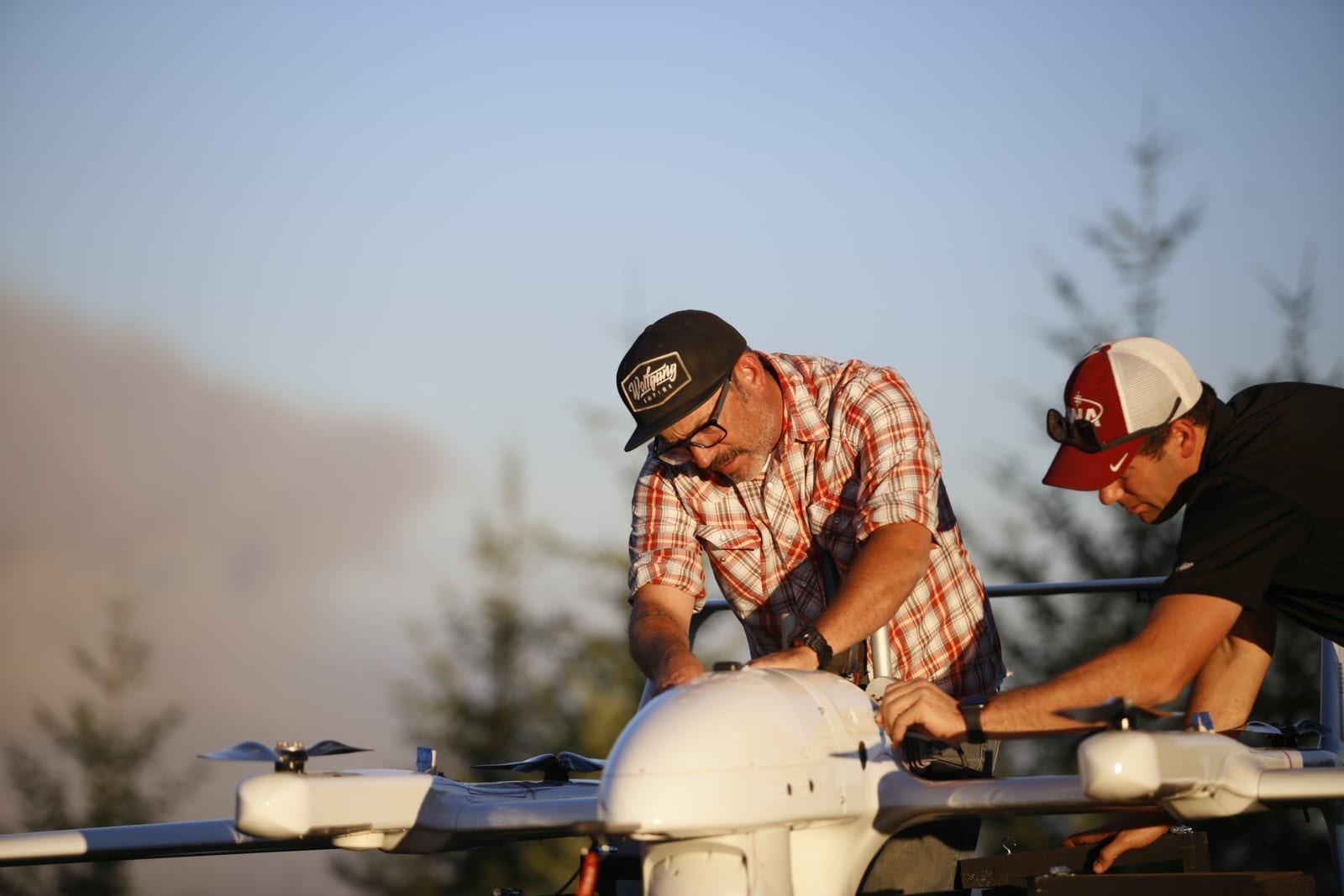
Autonomous Drones: What Is AI Doing Up There?
From agriculture to disaster response, how does the decision-making ability of unmanned aircraft work — and where do its limits begin?
Read more→
AI Regulation: What Does It Mean for Companies?
From risk-based classification to transparency obligations, the concrete responsibilities the new rules place on businesses.
Read more→Comments
No comments yet — be the first to comment.