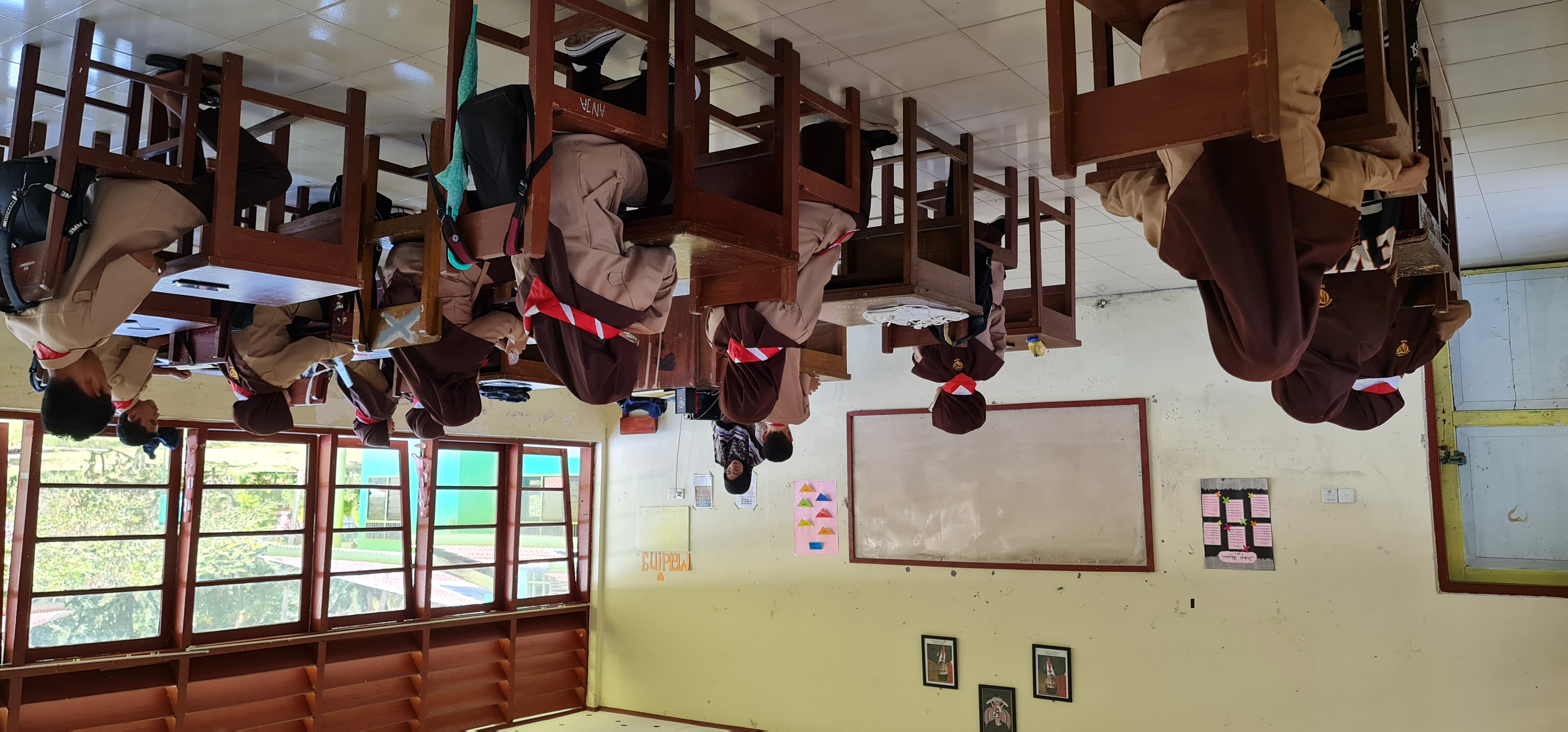
Fotoğraf: Ferichandrap, Wikimedia Commons (CC BY-SA 4.0)
AI and Personalization in Education
From adaptive learning systems to instant feedback, how is AI making it possible for every student to learn at their own pace?
Nova AI News Editor
August 11, 2026 · 1 min read
Adaptive Learning Systems
In a traditional classroom, everyone has to move at the same pace through the same content. AI-powered adaptive learning systems automatically adjust the difficulty of the content to each student's strengths and weaknesses. If a student is struggling with a topic, the system offers extra exercises; a student who grasps it quickly can be directed toward more advanced material.
The Power of Instant Feedback
Students learning about their mistakes immediately — rather than weeks later in an exam result — significantly improves the effectiveness of the learning process. AI-powered systems can analyze why a student answered a question incorrectly the moment it happens, and offer targeted explanations that close that gap.
Supporting Teachers, Not Replacing Them
The point of these technologies isn't to replace teachers but to free them from routine, repetitive tasks so they can spend time on more meaningful interaction with students. As time-consuming work like grading homework and tracking progress gets automated, teachers can focus more on individual guidance.
Accessibility Gains
AI-powered education tools also open up significant opportunities for students with different learning needs. Features like read-aloud, real-time translation, and visually supported explanation improve accessibility for students with learning difficulties or those studying in a second language.
Things to Watch For
Personalized education systems require collecting student data, which makes careful handling of privacy essential. A balanced approach is also needed so that over-reliance on technology doesn't weaken students' social interaction and independent problem-solving skills.
Conclusion
AI is accelerating education's shift away from "the same curriculum for everyone" toward a model where each student learns at their own pace and according to their own needs. Used with the right balance, this technology becomes a valuable support for students and teachers alike.
Related Articles
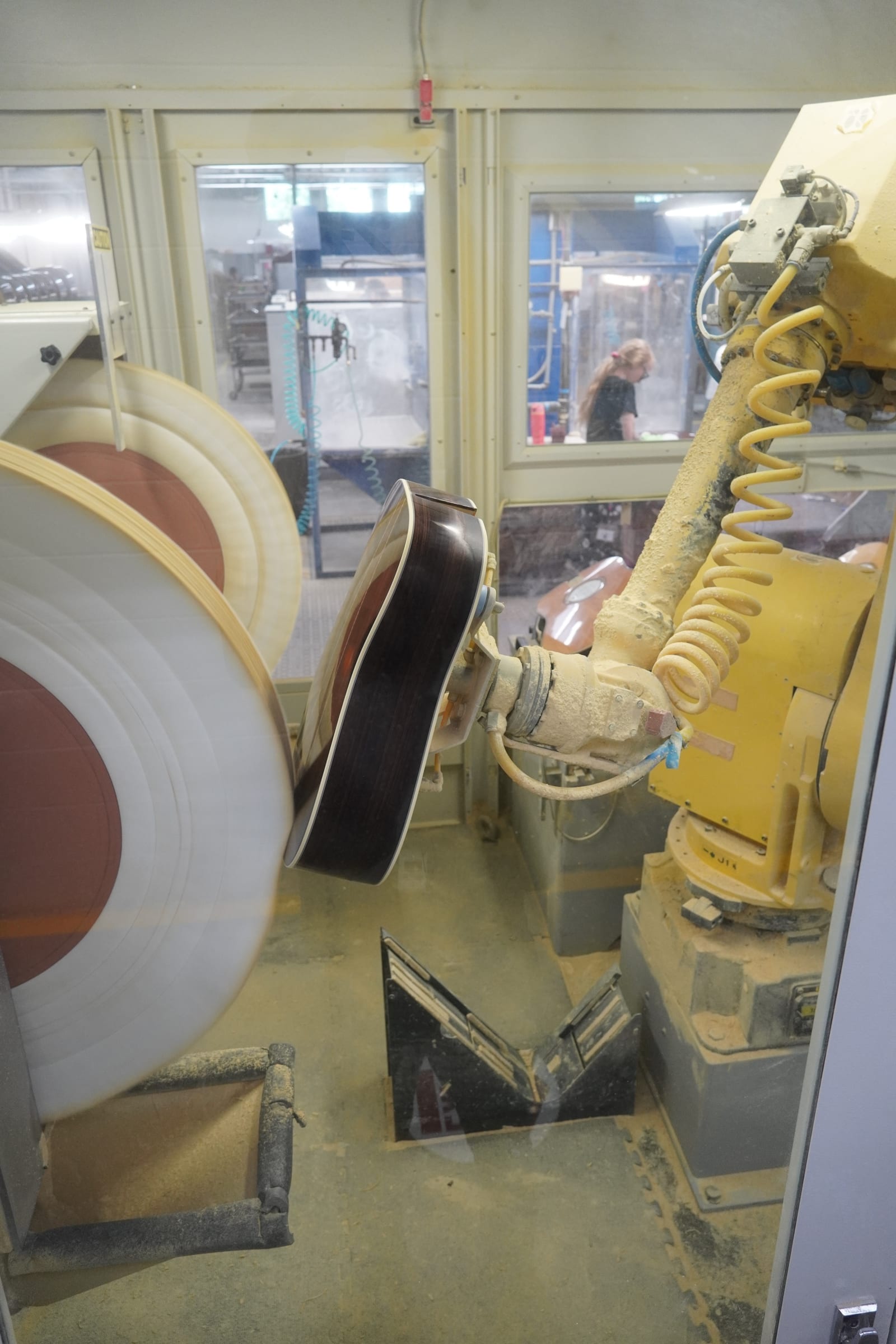
AI in Manufacturing: Warning You Before the Breakdown
How does predictive maintenance prevent downtime using vibration and temperature data? With concrete examples from factory floors.
Read more→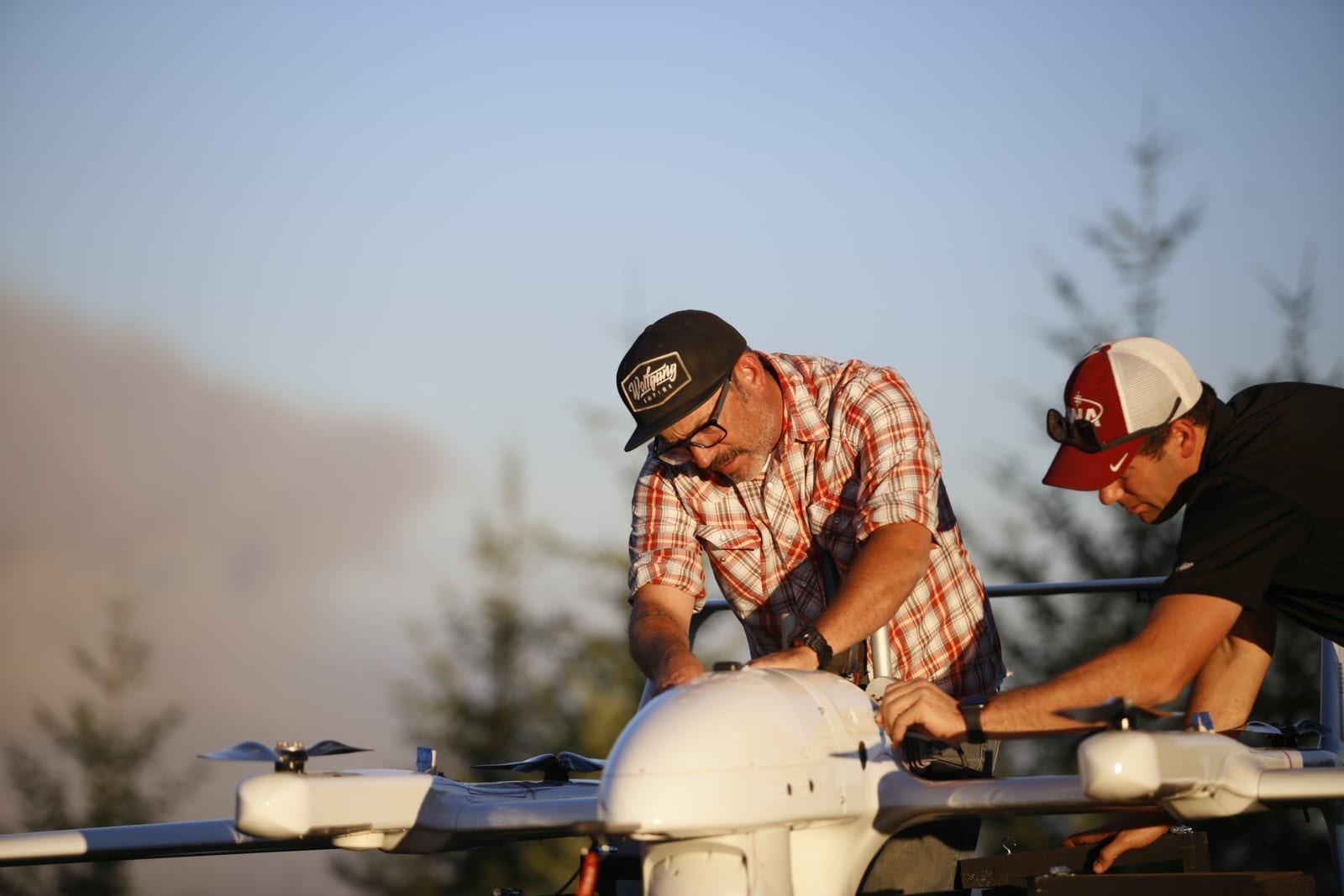
Autonomous Drones: What Is AI Doing Up There?
From agriculture to disaster response, how does the decision-making ability of unmanned aircraft work — and where do its limits begin?
Read more→
AI Regulation: What Does It Mean for Companies?
From risk-based classification to transparency obligations, the concrete responsibilities the new rules place on businesses.
Read more→Comments
No comments yet — be the first to comment.